
10 Mistakes Every New Taekwondo Student Makes
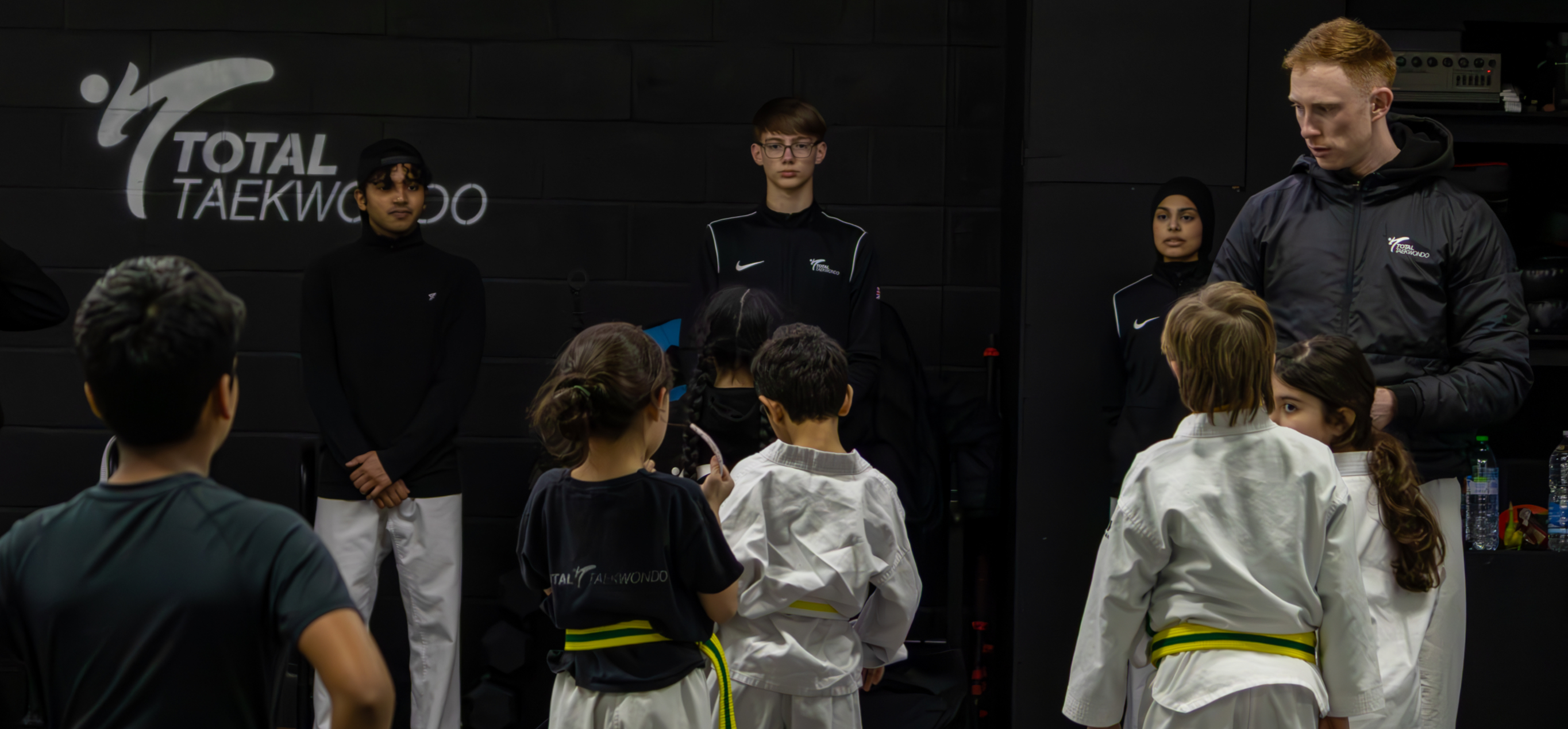
Starting Taekwondo is exciting.
Everything is new. Every class teaches something different. Progress comes quickly, and earning your first few belts can feel incredibly rewarding.
But every beginner also makes mistakes.
That's completely normal.
In fact, some mistakes are so common that instructors see them every week. The good news is that recognising them early can help you improve faster and enjoy your training more.
Here are ten mistakes almost every new Taekwondo student makes and how to avoid them.
Trying to Kick Too High Too Soon
One of the first things many beginners want to do is kick head height.
It's understandable. High kicks are one of the most impressive aspects of taekwondo.
The problem is that many students prioritise height over technique.
They sacrifice balance, posture, power, and control just to get their foot a little higher.
A waist-high kick with excellent technique is far more valuable than a head-height kick with poor form.
Focus on developing proper mechanics first. The height will come naturally over time.
Looking at Their Feet
Beginners often spend so much time thinking about their kicks that they stare directly at their feet.
This creates several problems.
You lose awareness of your opponent.
Your posture suffers.
Your reactions become slower.
Experienced practitioners learn to keep their eyes up and maintain awareness of what's happening around them.
Your feet know where they are.
Trust them.
Holding Their Breath
Many new students unknowingly hold their breath while performing techniques.
This creates tension throughout the body and causes fatigue much more quickly than necessary.
Proper breathing improves power, relaxation, endurance, and rhythm.
Pay attention to your breathing during training.
You'll be surprised how much difference it makes.
Comparing Themselves to Advanced Students
This is perhaps the most common mistake of all.
A white belt watches a black belt perform a flawless spinning hook kick and immediately feels discouraged.
What they don't see are the thousands of repetitions behind that technique.
Every black belt was once a beginner.
Every advanced student struggled with basics.
Comparison can destroy motivation if you're not careful.
Focus on becoming better than you were last month, not better than someone who has trained for ten years.
Neglecting the Fundamentals
Many beginners want to learn exciting techniques immediately.
Spinning kicks.
Jumping kicks.
Advanced combinations.
The basics can seem boring by comparison.
But the fundamentals are the foundation of everything else.
Strong stances, good balance, correct chambering, proper footwork, and solid kicking mechanics are what allow advanced techniques to work.entals
Being Afraid of Sparring
Sparring can be intimidating when you're new.
Many beginners worry about getting hit, making mistakes, or looking inexperienced.
The reality is that everyone feels this way at first.
Sparring isn't about winning.
It's about learning.
Every round teaches timing, distance, movement, and decision-making.
The sooner you accept that mistakes are part of the process, the faster you'll improve.
Expecting Fast Results
Modern culture encourages instant gratification.
Taekwondo doesn't.
Real improvement takes time.
Flexibility develops gradually.
Technique improves through repetition.
Confidence grows through experience.
Many beginners become frustrated because they expect dramatic changes within a few weeks.
The students who stay patient are usually the ones who achieve the most.
Thinking Black Belt Means "Finished"
Many beginners view black belt as the ultimate goal.
In reality, earning a black belt is often the beginning of a deeper journey.
A black belt represents competence, commitment, and understanding of the fundamentals.
It does not mean you've mastered everything.
The best martial artists never stop learning.
No matter what belt they wear.
Using Too Much Strength
Beginners often believe every technique should be performed with maximum effort.
As a result, they become stiff and tense.
Ironically, excessive tension usually makes techniques slower rather than faster.
The best taekwondo practitioners combine relaxation with explosive movement.
Power comes from timing and coordination, not simply trying harder.
Ignoring Recovery!
New students often believe improvement only happens during training.
In reality, recovery is a critical part of progress.
Sleep, hydration, nutrition, and rest all affect performance.
Training hard is important.
Recovering properly is equally important.
Your body needs time to adapt and improve.
Making mistakes is part of learning.
Every experienced Taekwondo practitioner has made the mistakes on this list and probably many more.
What matters isn't avoiding mistakes completely.
What matters is recognising them, learning from them, and continuing to improve.
Remember, nobody starts Taekwondo as an expert.
The students who succeed aren't the ones who make the fewest mistakes.
They're the ones who keep showing up, keep learning, and keep moving forward despite them.