
The Truth About Wanting to Become a Competitive Taekwondo Athlete
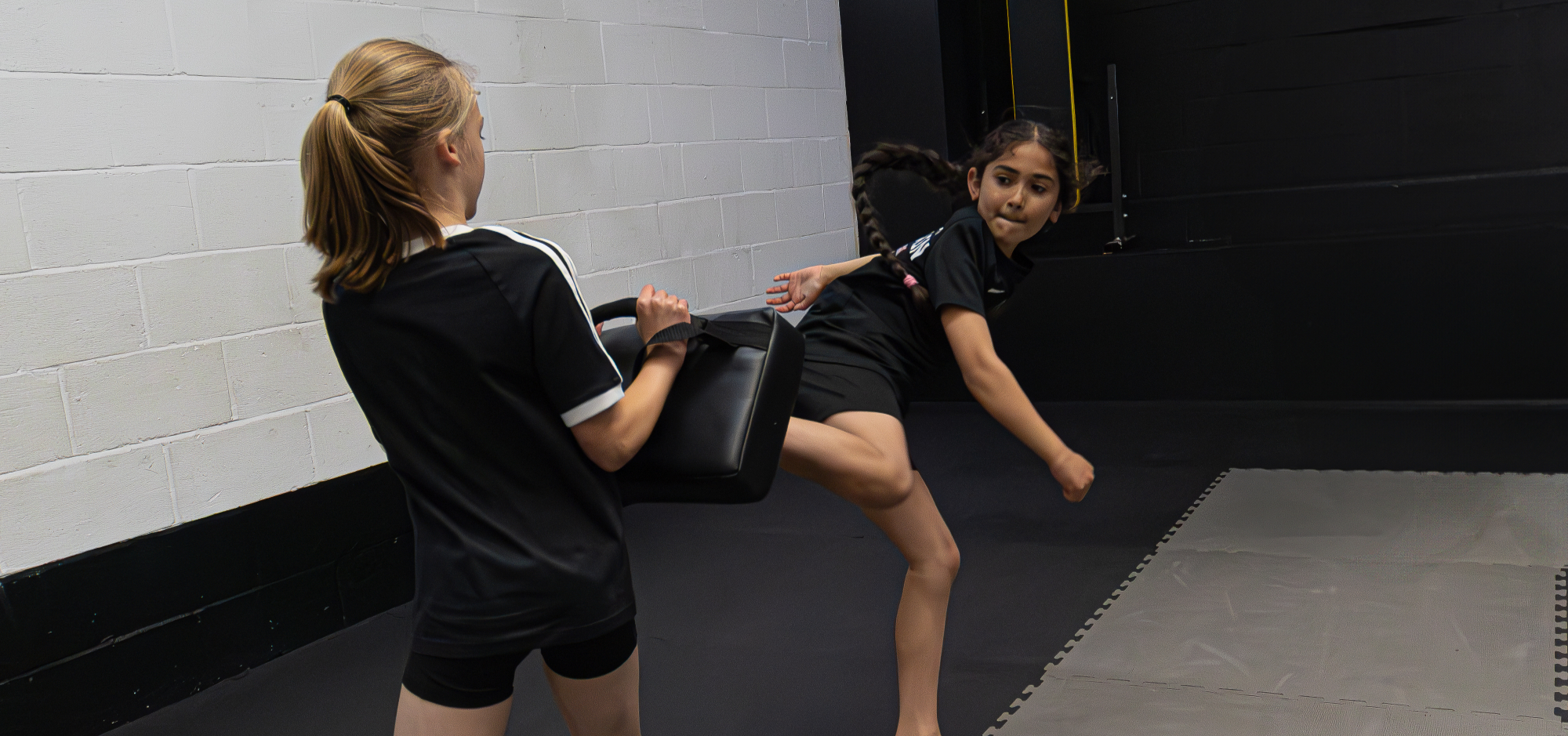
Every year, we hear students say the same thing:
"I want to compete."
"I want to win medals."
"I want to become a champion."
And there's absolutely nothing wrong with having big goals. In fact, ambition is a great thing. The problem is that many students fall in love with the idea of being a competitive athlete, but not with the process required to become one.
The reality is that success in competitive Taekwondo is earned long before you ever step onto the mats at a tournament.
It is built during the training sessions when you're tired and don't feel like working hard.
It is built when you practise your techniques repeatedly until they become second nature.
It is built when you turn up consistently, even when your friends are staying at home.
Everyone loves the thought of standing on a podium holding a medal. Very few people enjoy the thousands of kicks, drills, conditioning sessions, and sacrifices that come before that moment.
Talent Isn't Enough
One of the biggest misconceptions in sport is that successful athletes are simply more talented than everyone else.
Talent can certainly help, but talent without effort will only take you so far.
The athletes who consistently improve are usually the ones who show up week after week, month after month, and year after year. They understand that progress isn't always exciting. Sometimes it's repetitive. Sometimes it's frustrating. Sometimes it feels like you're not improving at all.
Yet they keep going.
Competitive Taekwondo rewards discipline far more than motivation. Motivation comes and goes. Discipline is what gets athletes into training when they don't feel like it.
The Difference Between Wanting and Committing
There is a huge difference between saying you want to be a competitive athlete and actually committing to becoming one.
Commitment means:
- Attending training regularly.
- Listening to coaches and applying feedback.
- Taking responsibility for your fitness.
- Working on weaknesses instead of avoiding them.
- Understanding that improvement takes time.
- Being willing to lose, learn, and come back stronger.
Competition isn't always glamorous. There will be difficult days. There will be losses. There will be moments when things don't go your way.
The athletes who succeed are not the ones who never fail. They are the ones who refuse to quit when they do.
Parents Play a Vital Role
For younger athletes, parents are one of the most important factors in their development.
A child may have talent and potential, but without support at home, reaching competitive goals becomes much harder.
Parents play a crucial role by:
- Encouraging consistency with training.
- Supporting healthy habits and routines.
- Helping children manage disappointment after losses.
- Reinforcing the values of hard work and perseverance.
- Understanding that development is a long-term journey.
The best sporting environments are created when coaches, athletes, and parents work together.
Parents don't need to become coaches. In fact, often the most valuable thing they can do is simply provide support, encouragement, and perspective. Not every competition will end with a medal, but every competition should provide an opportunity to learn and grow.
Success Is Earned Daily
The truth is that becoming a competitive Taekwondo athlete isn't about what happens on competition day.
It's about what happens every day before it.
It's about choosing discipline over excuses.
It's about being willing to work when nobody is watching.
It's about understanding that success is the result of hundreds of small decisions made consistently over time.
At Total Taekwondo, we love seeing students set ambitious goals. We want them to dream big. But we also want them to understand the reality behind those dreams.
Champions are not made by wishing for success.
They are made through effort, commitment, resilience, and the willingness to do the work when others won't.
If you truly want to become a competitive athlete, ask yourself one simple question:
Are you in love with the idea of success, or are you in love with the process required to achieve it?
The answer to that question will determine how far you go.
The Coaching Has to Change Too
One of the biggest adjustments for athletes and parents is understanding that coaching changes when competition becomes the goal.
In regular classes, coaches focus on learning, enjoyment, confidence, and development. But when a student decides they want to compete seriously, the expectations become much higher.
The coaching becomes more direct. Feedback becomes more honest. Mistakes are highlighted more often because they need to be corrected. Coaches are no longer simply teaching techniques; they are preparing athletes to perform under pressure against opponents who are training just as hard.
This can sometimes feel uncomfortable. Athletes may hear things they don't want to hear. They may be pushed harder than their teammates. They may be challenged physically and mentally in ways they haven't experienced before.
But this isn't about being harsh for the sake of it. It's about helping athletes reach a level that cannot be achieved through praise alone.
Competitive athletes need coaches who are willing to tell them the truth, hold them accountable, and demand high standards. A coach who ignores mistakes or lowers expectations may make an athlete feel good in the short term, but ultimately limits their potential.
The reality is simple: if an athlete wants elite results, they must be prepared for elite standards. Those standards require discipline, accountability, resilience, and a willingness to accept honest feedback. The athletes who embrace this process are often the ones who make the biggest improvements and achieve the greatest success.