
Strength and Conditioning for Child Taekwondo Athletes: Is It Good or Bad?
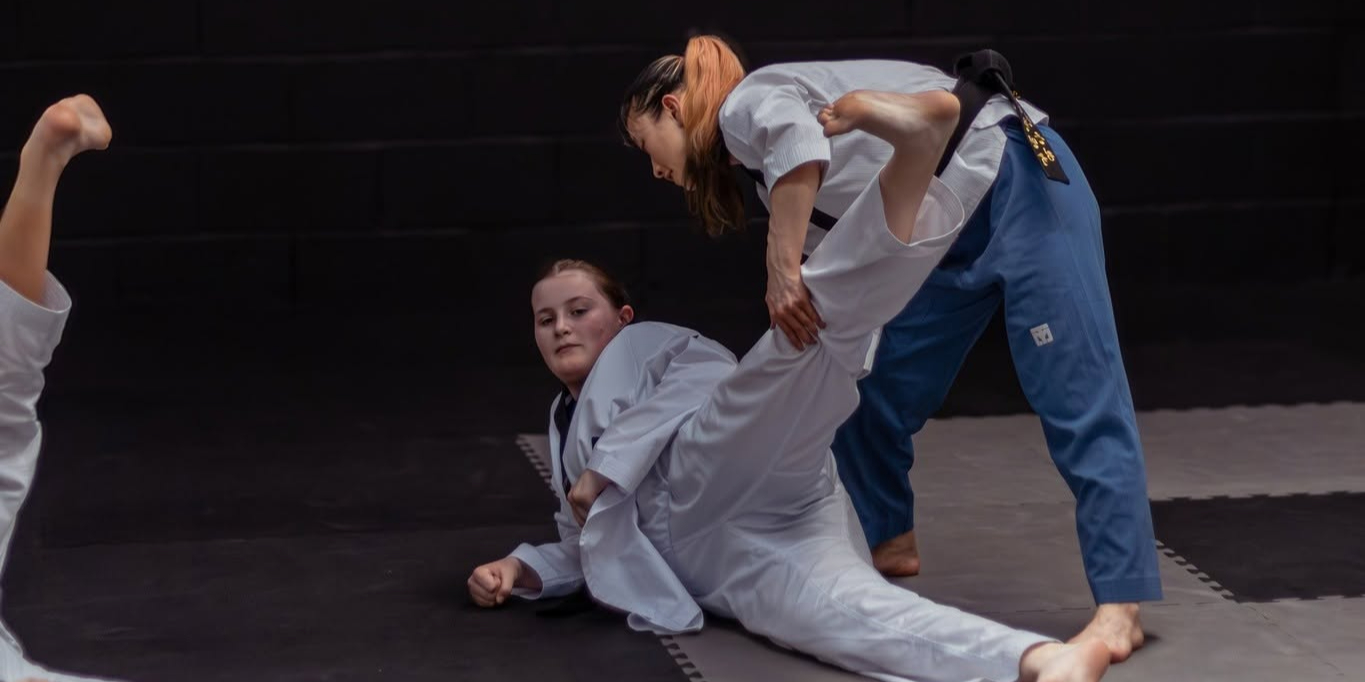
For many years, strength training for children was surrounded by myths and misconceptions. Parents often worried that lifting weights could stunt growth or increase the risk of injury. Today, research tells a very different story. When designed and supervised correctly, strength and conditioning is not only safe for young athletes it can play an important role in helping them become stronger, healthier, and more resilient.
Why Strength and Conditioning Matters
Taekwondo is a dynamic sport that demands speed, balance, flexibility, coordination, power, and endurance. While technical skills are developed through regular taekwondo practice, strength and conditioning helps build the physical foundation that allows young athletes to perform those skills more effectively.
A well-structured programme can improve:
- Kicking power and speed
- Balance and coordination
- Agility and reaction time
- Core stability
- Overall athletic performance
- Confidence and resilience
- Injury prevention
These benefits don't just help in competition they also support healthy physical development during childhood and adolescence.
Is It Safe?
The short answer is yes.
Current evidence shows that age-appropriate strength training is safe for children when sessions are supervised by qualified coaches and focus on proper technique rather than lifting the heaviest possible weights.
In fact, many sports medicine experts now recommend resistance training for young athletes because it helps reduce sports-related injuries while improving overall physical literacy.
What Should Training Look Like?
Strength and conditioning for children should look very different from adult gym programmes.
Sessions should focus on:
- Bodyweight exercises such as squats, lunges, push-ups, and planks
- Jumping and landing technique
- Balance and coordination drills
- Speed and agility exercises
- Core stability
- Mobility and flexibility
- Fun, engaging activities that encourage movement
As athletes mature and demonstrate good movement quality, light resistance can gradually be introduced under professional supervision.
What Should Be Avoided?
Young athletes should avoid:
- Lifting maximal weights simply to see how strong they are
- Training to complete exhaustion
- Poor lifting technique
- Programmes designed for bodybuilding
- Excessive training volumes without adequate recovery
The goal is long-term athletic development—not short-term gains.
Finding the Right Balance
Most child Taekwondo athletes benefit from two or three strength and conditioning sessions each week alongside their regular Taekwondo training.
Recovery is just as important as training. Growing bodies need adequate sleep, nutrition, and rest days to adapt and perform at their best.
Looking Beyond Competition
One of the greatest advantages of strength and conditioning is that it prepares children for more than just winning medals.
It teaches discipline, confidence, resilience, body awareness, and healthy exercise habits that can last a lifetime. Whether a child continues in elite competition or simply enjoys being active, these are valuable life skills.
Final Thoughts
Strength and conditioning is not something to fear. When delivered safely and appropriately, it complements Taekwondo training by helping young athletes move better, perform better, and stay healthier.
The emphasis should always be on quality movement, gradual progression, and enjoyment. Strong foundations built during childhood support both sporting success and lifelong physical health.
As coaches, parents, and practitioners, our responsibility is not simply to create stronger athletes it is to help develop confident, capable, and healthy young people.